Start with the week you have
Put your calendar beside your shopping list. Mark evenings when dinner needs to be quick, when someone will eat later, and when you have time to cook. Cross out meals you will eat elsewhere before choosing recipes. Planning seven dinners for a week with two evenings out creates unnecessary shopping.
Choose the busiest evening first. That is where a familiar pasta, a freezer portion or something assembled from the cupboard earns its place. Give an unfamiliar recipe the evening with more breathing room. Write the meal where everyone can find it, whether that means a sheet on the fridge or a shared note.
Choose a few dependable dinner shapes
Think in formats: one tray dinner, one pasta, one bowl, one soup and one flexible meal. The formats give you a starting point without dictating exactly what you must eat. You can repeat a favourite next week and change the vegetables or seasoning.
For family meals, consider what can be served separately. With chicken fajita rice bowls, put the components on the table and let each person assemble their own bowl. Keep a strong dressing or spicy topping on the side. This is a serving choice, rather than a promise that every eater will suddenly love every ingredient.
A flexible example week
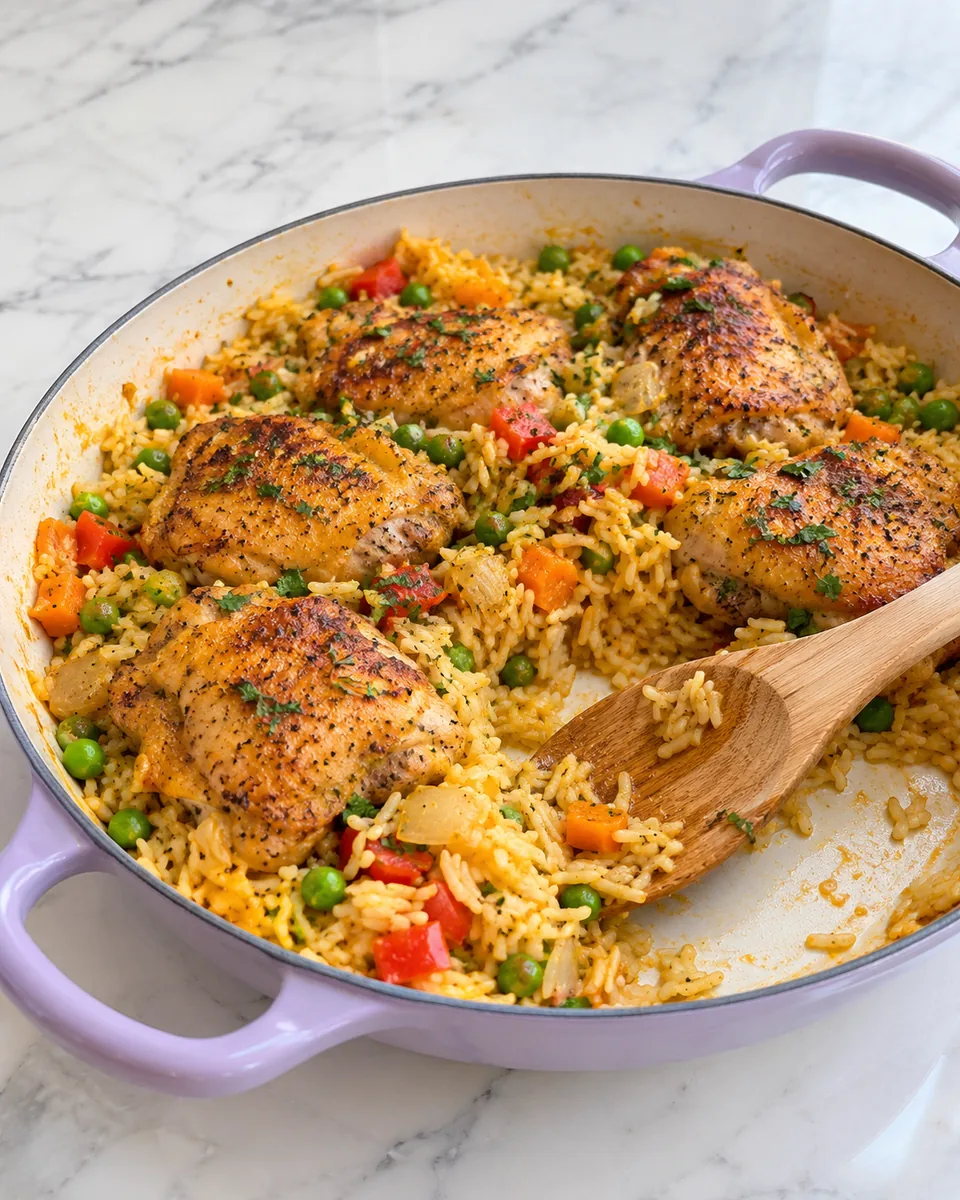
- Monday: one-pot chicken and rice, with the quantities matched to your household.
- Tuesday: tomato and spinach pasta; use some of the spinach again at lunch.
- Wednesday: black bean chili, with toppings served separately.
- Thursday: a freezer portion from an earlier cook, or a simple cupboard dinner.
- Friday: chicken fajita rice bowls, cooked fresh.
- Saturday: a household favourite or a meal out.
- Sunday: a flexible meal using suitable ingredients you still have.
This is dinner inspiration, not a complete nutritional prescription. Adapt quantities, allergies and choices to the people eating. The NHS Eatwell Guide describes balance across a day or week; individual plates need not look identical.
Shop for overlap, without serving the same dinner twice
Read the ingredient lists together before you shop. A bag of peppers could cover chili and fajita bowls; plain yogurt might become a breakfast topping and a sauce. Choose overlap that has a specific destination. Buying an enormous bag because an ingredient appears twice is still wasteful if the recipes use only a little.
For each fresh item, write down the amount needed and the meals using it. Check what you already own, then combine duplicated ingredients into one list. Our budget grocery list guide walks through that step with a simple example.
Give the plan a way to change
Leave one dinner loosely defined. A flexible space is useful when an earlier meal makes more portions than expected or your plans move. It is not permission to keep cooked food indefinitely: follow the recipe and appropriate storage guidance, and freeze suitable extra portions promptly.
At the end of the week, make just two notes: what got eaten happily, and what kept being postponed. If a meal is repeatedly too much work for Tuesday, change its day or choose something simpler. Save favourite recipes so next week starts with a shortlist, not an empty search box. The printable weekly and monthly planners planned for our Healthy Living Starter Pack will give these notes a home; the pack is coming soon.
Ask for one dinner suggestion from each person before you finish the plan. Keep the question bounded: choose between two meals, or nominate a familiar favourite. You can make space for preferences without turning the shopping list into several separate menus. Write down any ingredient that genuinely needs to stay separate.