Count meals before counting ingredients
Write down how many breakfasts, lunches and dinners you need to cover, and how many people will be eating each. Remember packed lunches, meals away from home and the evening when you need something very simple. A dinner-only list can look inexpensive until the extra food for the rest of the day lands in the trolley.
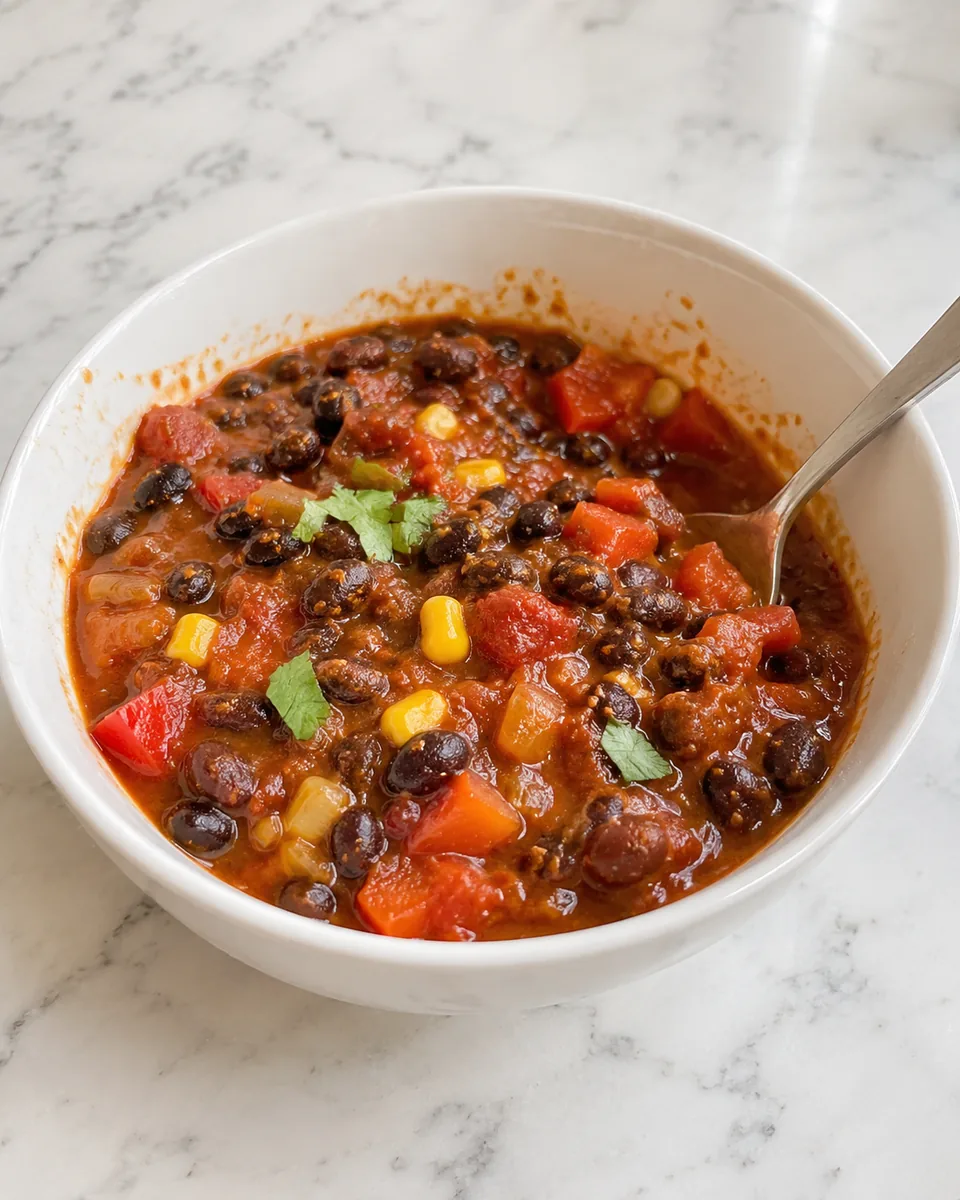
Choose a small group of meals rather than seven unrelated recipes. For example, a pot of black bean chili, lentil vegetable soup and tomato spinach pasta gives you several uses for cupboard ingredients while keeping the finished meals different.
Make a short inventory you can act on
Look through the fridge, freezer and cupboard. You do not need to catalogue every spice. Write down the items that could anchor a meal or need using soon: half a bag of spinach, a tin of chickpeas, pasta, or a frozen portion labelled with its contents and date.
The USDA meal-planning tip sheet recommends checking what you have and making a list from the planned meals. Treat this as a practical starting point, then choose recipes that suit your kitchen. A packet you already own only helps if you are willing and able to cook it.
Give fresh ingredients a second destination
Next to each perishable item, jot down where the remainder will go. A lemon might dress a chickpea salad and finish a pasta dish. A tub of plain yogurt might go on breakfast and into a sauce. The second use does not have to be another elaborate recipe.
Be specific about amounts. If your two recipes need three peppers altogether, record three peppers, not “peppers”. If a recipe uses half a tub, check the tub size and plan the other half within its storage instructions. This is where a simple meal-planning spreadsheet can help: keep the quantity and the destination side by side.
Compare the amount you will use
Unit prices can help compare similar products, but the larger pack is only useful when you will use it. Consider the whole amount you must pay, the space it will occupy and whether you can store the remainder appropriately. A bigger bag that squeezes out something essential is not automatically the better choice.
For vegetables, compare fresh, frozen and tinned options for the dish you are making. Frozen spinach works differently from crisp salad leaves, but it can fit a cooked pasta sauce. Buy for the intended result. Likewise, dried beans and ready-cooked beans require different preparation; choose the version that fits the time and equipment you actually have.
- Keep a main choice and a workable alternative beside flexible items.
- Compare drained weights where relevant, not just the size of the tin.
- Leave optional garnishes off the essential list if the budget is tight.
- Check the cupboard before buying another jar of seasoning.
Use a fallback meal to protect the plan
A small cupboard dinner can be useful when your schedule changes. Keep the ingredients for one meal you like, such as pasta with tinned tomatoes and beans, separately from ingredients earmarked for the week. That makes it easier to avoid using Wednesday’s main ingredient on Monday without noticing.
After shopping, compare the receipt with your list. Notice the additions without turning the exercise into a judgement. Was breakfast missing? Did a recipe need a costly one-off ingredient? Was a bargain bought with no clear use? Those answers make the next list sharper. Use our pantry dinner guide for ideas and the forthcoming Healthy Living Starter Pack for a printable place to plan.
Keep the final list in one place. Two partly updated lists can lead to buying the same item twice, especially when more than one person shops. Tick items off as they are bought, and put substitutions beside the original item.