Choose components with more than one use
Start with three useful things, not a week’s worth of complete meals. You might make a pot of lentil sauce, prepare a small amount of quinoa and wash vegetables for the next day. Each should have an immediate job and, where appropriate, a clearly planned later use.
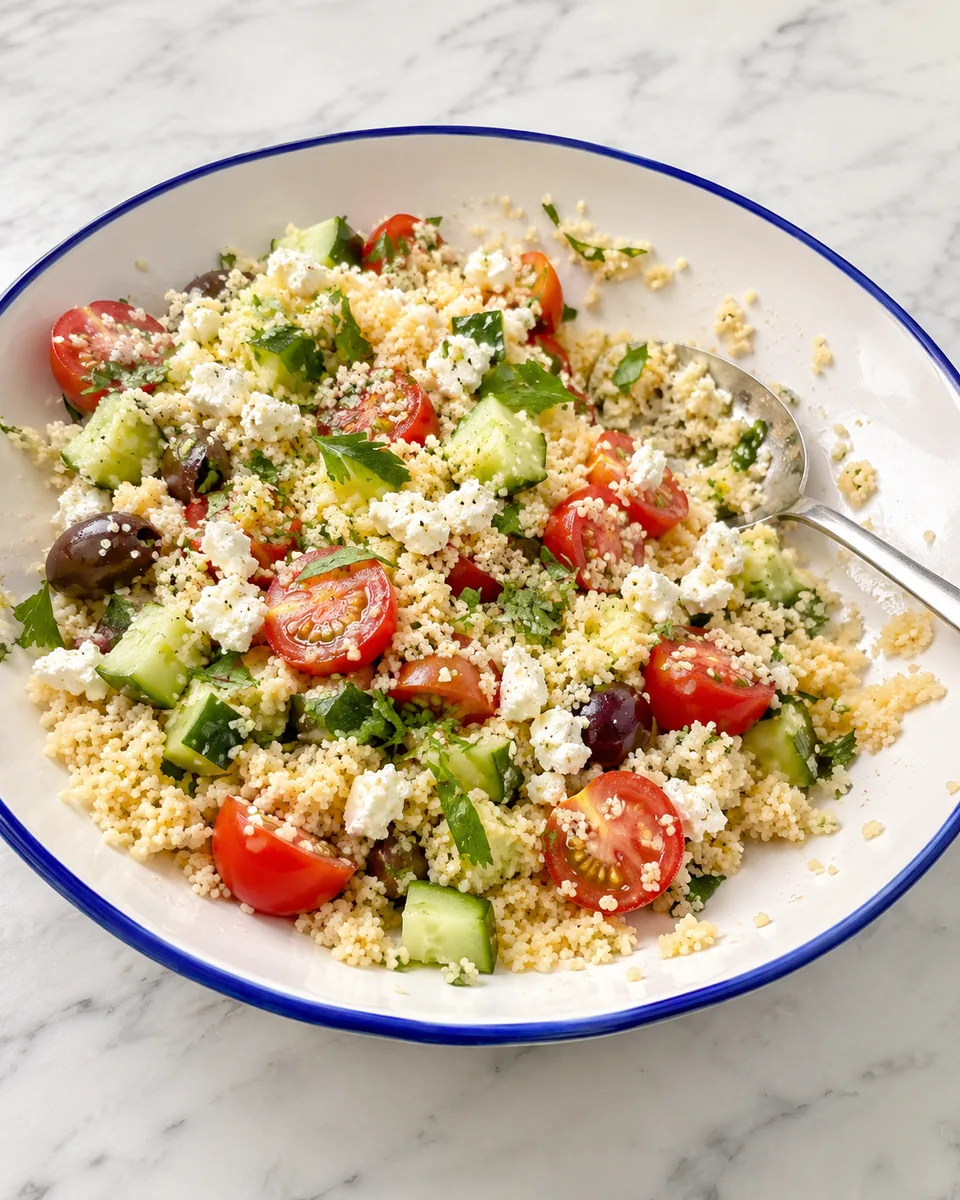
Choose neutral components when you want flexibility. Lemon-dressed quinoa can work with chickpeas or chicken; a strongly flavoured finished bowl leaves fewer choices. Keep your favourite recipe as the anchor, such as Mediterranean couscous salad, and prepare only the parts that make the next meal easier.
Change format as well as seasoning
A different sauce helps, but texture and format do more of the work. Roasted vegetables can sit beside a hot dinner, become a sandwich filling or join a bowl with a freshly prepared dressing. The goal is not to disguise leftovers; it is to assemble something you would choose to eat.
- Bowl: a cooked grain, a protein ingredient, vegetables and a dressing.
- Wrap: a smaller portion of filling with dry leaves and a sauce added just before eating.
- Warm plate: a reheated suitable component beside freshly cooked vegetables or toast.
- Soup lunch: a portion of soup with bread and something crisp alongside.
Do not feel obliged to make every component suit every format. A juicy filling may be lovely in a bowl but leak through a wrap.
Keep wet and crisp elements separate
Store dressing in a small sealed container rather than pouring it over tender leaves in advance. Dry washed salad thoroughly. Keep crunchy toppings away from steam and moisture, and let cooked components cool safely before combining them with ingredients intended to stay crisp.
Choose vegetables with the texture you want at lunchtime. Cucumber and tomatoes release moisture once cut; a compartment or separate pot can help. Add avocado close to serving if its appearance matters to you. Our salad-building guide gives more combinations that do not rely on a mountain of leaves.
Plan two short sessions, not one huge Sunday cook
A Sunday session could cover Monday and Tuesday, while Wednesday’s smaller session refreshes the rest of the week. That avoids assuming every cooked ingredient should sit in the fridge until Friday. Keep a freezer meal as a backup rather than trying to prepare every possible dinner in advance.
For UK home storage, the Food Standards Agency advises a fridge at 0–5°C, refrigerating cooled leftovers within one to two hours, and eating them within 48 hours or freezing them. Follow product instructions where shorter. Rice needs extra care: cool it quickly, ideally within one hour; refrigerate for no more than 24 hours and reheat only once, until steaming hot throughout.
Write the second meal down before you cook
It is easy to prepare ingredients enthusiastically and then forget what they were for. Write “quinoa for Monday’s bowl” and “lentil sauce portion for the freezer” on your plan. Label stored containers with the contents and date so the next person opening the fridge has the same information.
Use the recipe’s stated quantities rather than doubling everything by habit. If you only need one extra lunch, scale the suitable component, not every garnish. The chicken quinoa bowl recipe can be a starting point for a planned lunch; the lentil bolognese offers a separate dinner option. Record which combinations you liked, then borrow them next week. Our forthcoming weekly meal-planner printable is designed to help keep those decisions visible.
Before starting, check container space and how you will carry lunch. A bowl that leaks on the journey is not a convenient lunch, however efficient the cooking was. Match the portion to the container and keep sauces securely sealed.